How to Sell Gold Bullion in 2026: Getting the Best Price Without Being Fleeced
Selling gold bullion well comes down to one number most sellers never ask about: the spread between what a dealer will pay you and what they will sell the same item for. Everything else — which coin you own, whether you kept the assay card, how you ship it — either widens or narrows that gap. A well-prepared seller with a recognised one-ounce coin can transact within a whisker of spot. A poorly prepared one with an unpackaged, obscure bar can lose several percent. This guide covers exactly how the process works, what to prepare, and where sellers routinely give away money.
What is the buy-sell spread and why does it matter more than the premium?
When you buy, you pay a premium above spot. When you sell, you receive a bid that is usually at or slightly below spot. The distance between those two prices is the spread, and it is the real cost of a round trip in and out of metal. A dealer quoting a low headline premium but a punishing buyback price can cost you more than one quoting a slightly higher premium with a tight bid. When you are comparing dealers, ask what they pay, not just what they charge — it is the single most useful question in the whole transaction and remarkably few buyers ask it before they need to.
Which gold sells fastest and for the best price?
Liquidity follows recognition. A dealer can price an item instantly if they know exactly what it is without testing it:
| Format | Ease of sale | Why |
|---|---|---|
| 1 oz Krugerrand | Easiest | Most widely produced bullion coin ever; recognised everywhere |
| 1 oz Gold Eagle | Very easy | Deep US market, instantly identifiable |
| 1 oz Maple Leaf | Very easy | 999.9, radial-line security aids verification |
| Gold Sovereign | Easy | Small unit, strong UK market, CGT-free for UK residents |
| 100 g LBMA bar, sealed | Easy | Assay intact means no re-testing |
| Unsealed or damaged bar | Harder | May require assay; expect a wider spread |
| Unbranded or obscure bar | Hardest | Unknown refiner means testing cost and risk |
What documentation should you keep?
Keep the assay card, capsule, tube and original packaging, and keep them intact. A sealed 100 g bar in its original assay with a matching serial number can be priced on sight; the same bar cut out of its packaging may need verification, and that cost comes out of your bid. Keep your purchase invoice too. It establishes what you paid, which matters for capital gains calculations in most jurisdictions, and it evidences provenance. Do not polish or clean anything — cleaning removes original surfaces, is immediately obvious to a dealer, and reduces value on anything with a numismatic component. This is the most common irreversible mistake sellers make.
How do you actually sell, step by step?
- Identify precisely what you have — refiner or mint, weight, fineness, and whether it is sealed. Weigh it if you are unsure of the size.
- Get the current spot price so you can judge quotes. Check our live prices page.
- Request quotes from more than one buyer and ask each for a firm bid, not a range.
- Confirm how and when the price locks — metal moves, so a quote that is not locked is not a quote.
- Ship insured and tracked, or transact in person. Never send bullion uninsured.
- Confirm settlement method and timing before you ship — bank transfer, cash or crypto, and how many days.
What are the tax implications of selling gold?
They vary by country and they are not optional. In most jurisdictions a profit on bullion is a capital gain and reportable, and paying in crypto changes nothing about that. Two specific points worth knowing. In the UK, Sovereigns and Britannias are legal tender and therefore exempt from capital gains tax for UK residents, which is a genuine reason to hold those particular coins if you are British. In the US, dealers must file Form 1099-B on certain bullion sales above defined quantity thresholds — our guide on dealer reporting sets out which items and quantities trigger it. We are a bullion dealer, not tax advisers; confirm your own position before a large sale.
How does the BTC Mints buyback work?
We operate a 7-day buyback on metal purchased from us, settled at live spot in the cryptocurrency of your choice. Contact us within the window, return the item unopened and insured, and we settle once it arrives and is confirmed. Keep the certificate and assay card with the item — an intact, sealed product is what allows us to settle without sending it for assay. If you are outside the window or selling metal bought elsewhere, use our sell to us form for a quote. Because we settle in crypto, there is no bank transfer to arrange and no card rails involved, which is usually faster than a conventional dealer payout.
Ready to convert crypto into gold?
Buy investment-grade gold and silver with Bitcoin, priced live to the market and shipped fully insured.
Shop bullionFrequently asked questions
How do I sell gold bullion for the best price?
How much below spot will a dealer pay for gold?
Should I keep the assay card and packaging?
Do I pay tax when I sell gold?
Should I clean my gold coins before selling?
Related reading
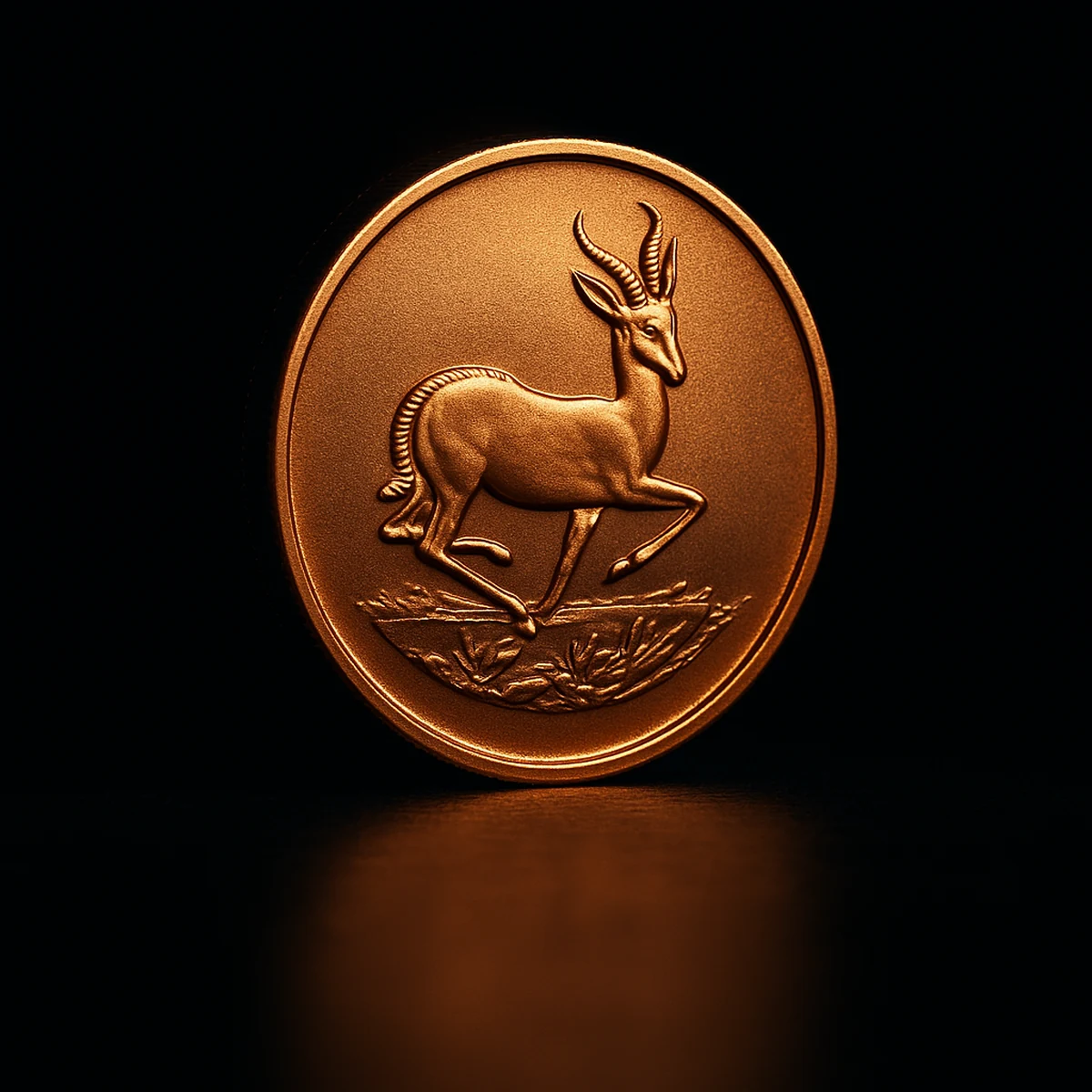
Gold Krugerrand Price 2026: Value, Sizes and What to Pay
A 1 oz gold Krugerrand costs about $3,882.08 today. It is 22 karat yet still contains a full troy ounce of fine gold — here is why, and what every size is worth.
Read article →
Do Gold Dealers Report Purchases to the IRS? (2026 Guide)
A plain-English explainer on gold-dealer reporting: the $10,000 cash rule, which sell-backs trigger a 1099-B, what’s fully exempt, and how to buy bullion privately within the law.
Read article →
How to Spot Fake Gold & Silver: The 2026 Testing Guide
The tests that actually work for checking gold and silver at home, why tungsten fakes beat most of them, the professional tools that catch them, and the simplest way to never buy a fake.
Read article →