Vienna Gold Philharmonic 2026: Europe's Best-Selling Gold Coin
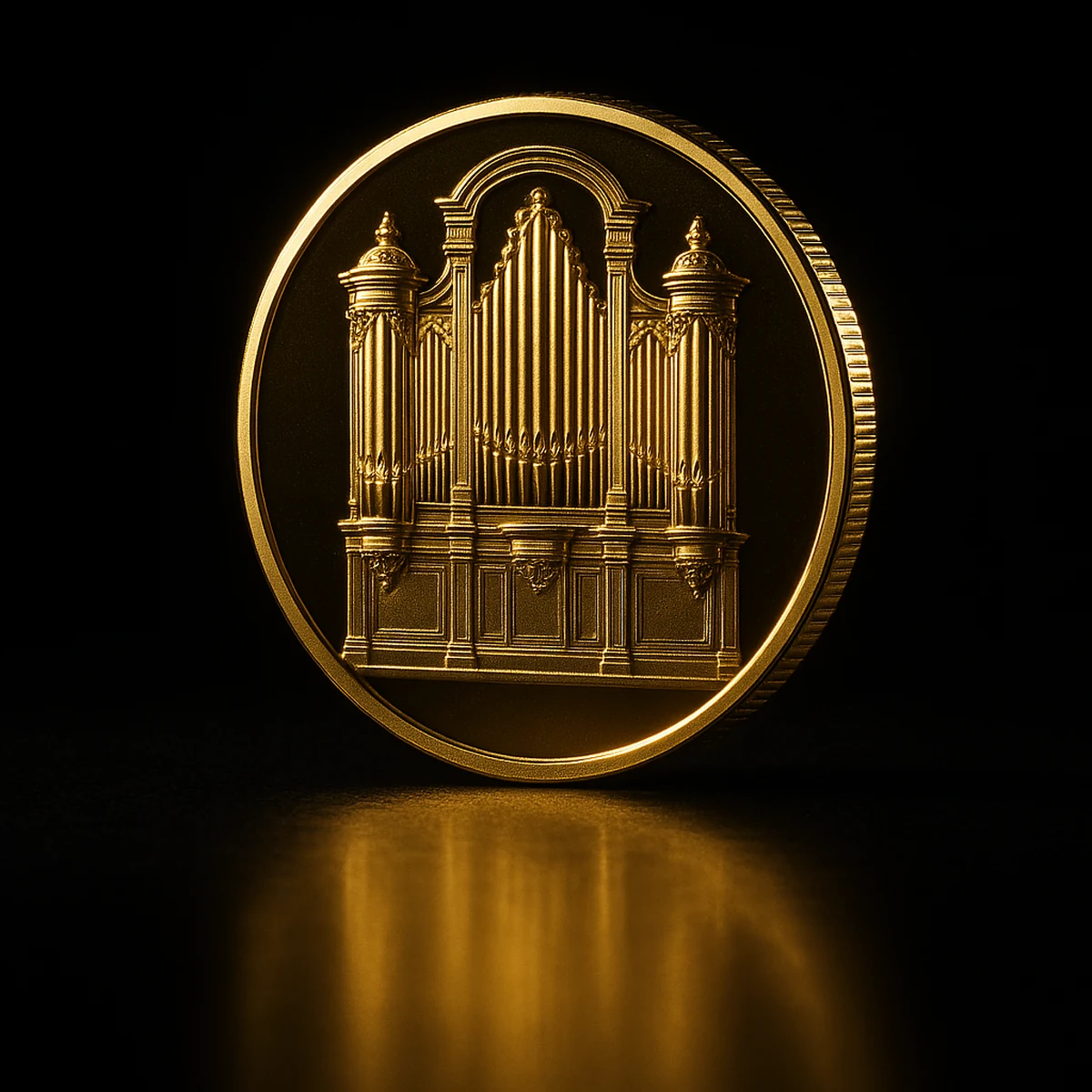
A 1 oz Vienna Philharmonic gold coin is worth about $4,239.66 as of September 2026, with gold at $4,462.80 per troy ounce. Struck by the Austrian Mint, it is 99.99 percent pure and holds a distinction no other bullion coin can claim: since 2002 it has been denominated in euros, with a face value of €100 for the one-ounce piece. It is consistently Europe's best-selling gold coin and was the world's best seller in several years during the 1990s. This guide covers prices at every size, the design that has never changed, and when the Philharmonic is the right choice.
How much is a 1 oz Vienna Philharmonic worth today?
About $4,239.66 in September 2026, at a gold spot price of $4,462.80 per troy ounce — roughly €3,648.77 or £3,136.64. It contains exactly one troy ounce of fine gold and weighs 31.10 g in total, since at 999.9 purity there is almost no alloy. Check our live prices before committing.
What does each Philharmonic size cost?
The Austrian Mint strikes the Philharmonic across a wide size range. Current prices from stock:
The full range sits in our Gold Philharmonic collection, including 2022, 2023 and a 2014 BU issue — all priced identically, because the gold content is identical.
Why is the Philharmonic denominated in euros?
Because Austria adopted the euro, and the Mint carried the coin across. The Philharmonic launched in 1989 denominated in Austrian schillings (2,000 ATS for the one-ounce coin) and was redenominated to €100 in 2002 when Austria joined the single currency. That makes it the only major gold bullion coin carrying a euro face value, which matters for one practical reason: it is legal tender across the eurozone. As with every bullion coin, the face value is symbolic — €100 against roughly €3,648.77 of gold — and exists to give the coin legal-tender status rather than to represent its worth. Whether that status carries a tax advantage depends entirely on your country; see our guide on gold and tax.
Has the Philharmonic design ever changed?
No — and that is unusual. Designed by Thomas Pesendorfer, the obverse shows the Great Organ of the Golden Hall in the Musikverein, home of the Vienna Philharmonic Orchestra, and the reverse shows a cluster of orchestral instruments: cello, violins, bassoon, harp and horn. The design has run unchanged since 1989, in deliberate contrast to the Kangaroo and Panda, which change annually. For a bullion buyer this is a quiet advantage: there is no date-collectible dimension to complicate pricing, no year commands a premium, and every dealer prices the coin purely on metal. What you see is what you pay for.
Why does Europe buy so many Philharmonics?
Familiarity and logistics, mostly. It is minted inside the eurozone by the Austrian Mint, an institution operating since 1194 — founded on silver from Richard the Lionheart's ransom, and now a subsidiary of the Austrian National Bank. For European buyers it is a domestic product with no import friction, denominated in their own currency, from a mint with eight centuries of continuity. It was the world's best-selling gold coin in 1992, 1995, 1996 and 2000, and has remained Europe's leading seller since. If you are buying in Europe the Philharmonic is often the most liquid coin available locally, which matters when you come to sell.
Philharmonic or Britannia or Maple Leaf?
All three are 999.9 fine and hold one troy ounce, so on metal they are equivalent and you should buy whichever is cheapest on the day. The differences are jurisdictional. For a UK resident the Britannia is usually decisive, because it is UK legal tender and therefore exempt from capital gains tax. For a eurozone buyer the Philharmonic is the natural default on liquidity and familiarity. The Maple Leaf has the strongest anti-counterfeit features but is more prone to milk spotting. All three are softer than a 22 karat Krugerrand and mark more easily, so handle by the edge and keep them in their packaging.
Can you buy Philharmonics with crypto?
Yes. Every Philharmonic here can be paid for in Bitcoin, Monero, Ethereum, USDT or any other coin we accept, with no bank and no KYC on standard orders. The price locks when you order and delivery is fully insured in plain, unmarked packaging. We also stock the silver Philharmonic in 20-coin tubes at $1,265.31 for buyers who want the same design in silver — see silver formats compared for how tubes price against bars.
Ready to convert crypto into gold?
Buy investment-grade gold and silver with Bitcoin, priced live to the market and shipped fully insured.
Shop bullionFrequently asked questions
How much is a 1 oz Vienna Philharmonic gold coin worth?
Why does the Vienna Philharmonic have a euro face value?
Has the Philharmonic design changed over the years?
Is the Philharmonic a good coin to buy?
What sizes does the gold Philharmonic come in?
Related reading
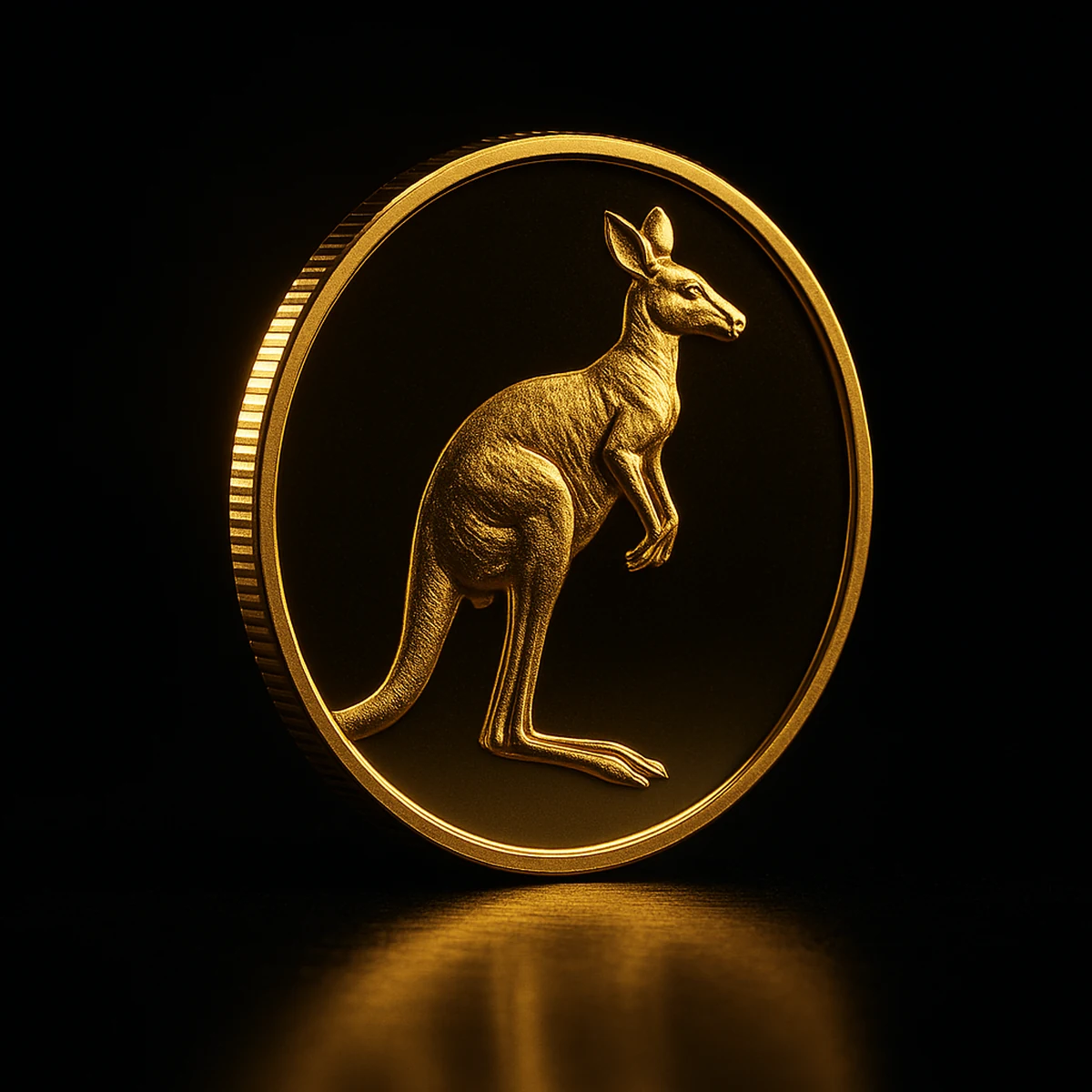
Australian Gold Kangaroo 2026: Price, Sizes and the Design That Changes Yearly
A 1 oz Gold Kangaroo costs about $4,239.66 today. It is the only major bullion coin whose design changes every single year — which is either its best feature or an irrelevance, depending on why you buy.
Read article →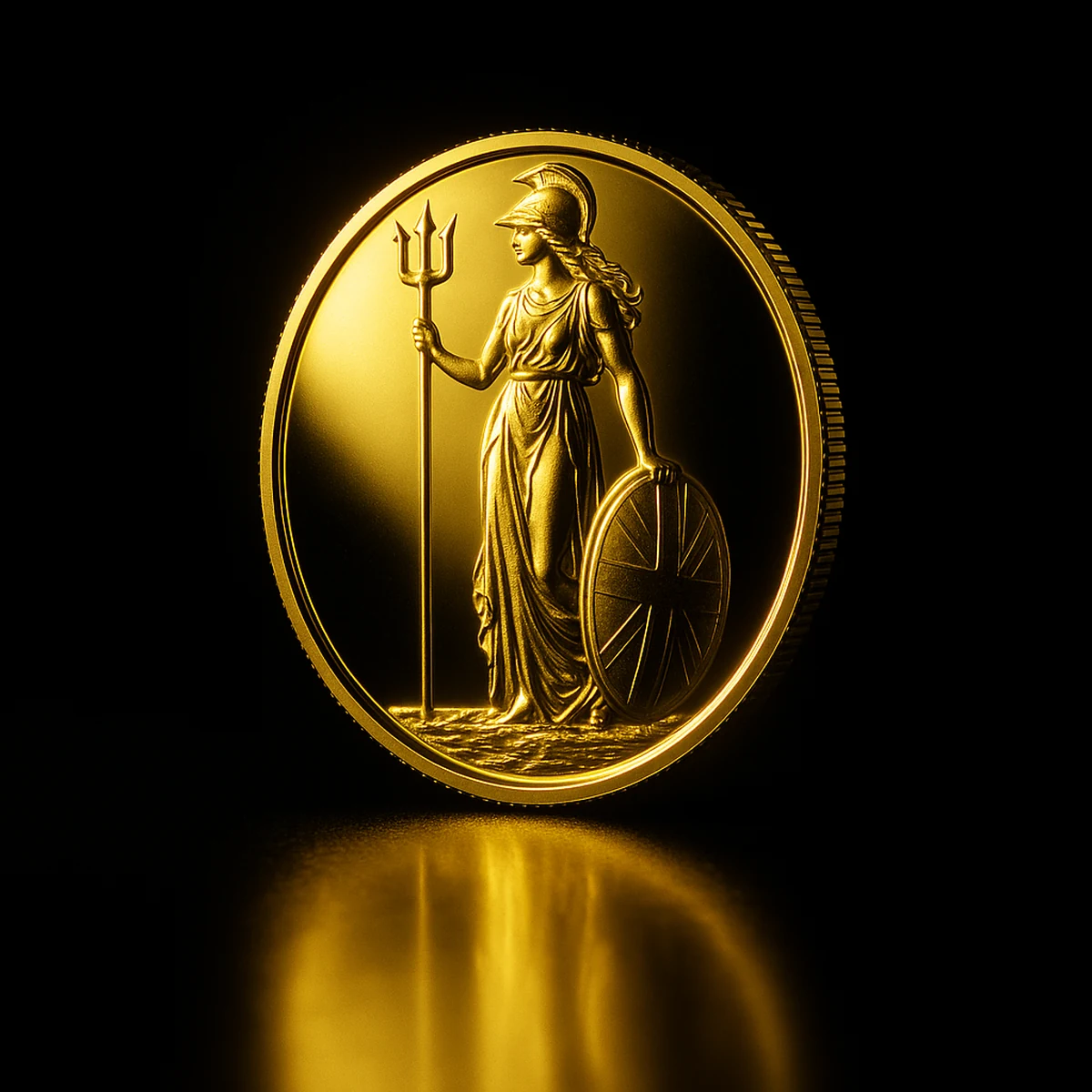
Gold Britannia Coin 2026: Price, CGT Status and Security Features
A 1 oz gold Britannia costs about $3,882.08 today. For UK residents it is legal tender — which makes any profit on it free of capital gains tax.
Read article →
Canadian Gold Maple Leaf 2026: Price, Purity and Milk Spots
A 1 oz Gold Maple Leaf costs about $3,882.08 today. It was the first 999.9 bullion coin ever struck — and the reason its purity is both its strength and its weakness.
Read article →